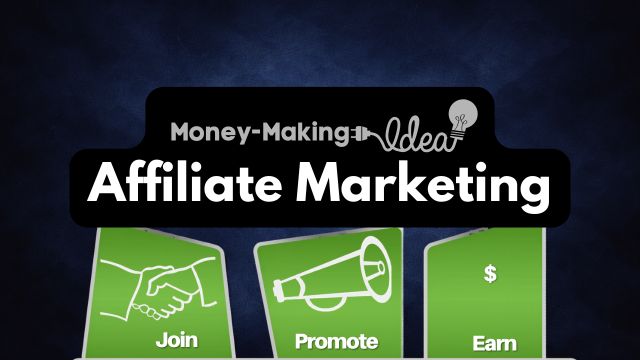
Affiliate Marketing for Passive Income and Flexible Work
Affiliate marketing is one of the most practical online income models for people who want flexibility, remote work options, and a business that can scale without inventory or shipping. It works especially well for international creators because you can build an audience in one country, promote global tools and services, and earn in different commission structures depending on the program.
Affiliate marketing as flexible income
Affiliate marketing is a performance-based model: you promote a product or service, and you earn when your audience takes a tracked action. That action may be a purchase, a lead, a click, or another conversion event, depending on the program. Because the work is digital, it can be done from home, while travelling, or alongside a job or freelance schedule.
This makes it a strong fit for almost any website or content niche. You do not need to create your own product to begin, and you can start with content you already know how to produce, such as blog posts, comparison pages, email newsletters, short videos, or resource guides.
Why it matters now
Affiliate marketing is no longer a niche tactic. Industry sources estimate the affiliate marketing market at more than $17 billion in 2025, with growth projected toward $36.9 billion by 2030. Another widely cited benchmark is that affiliate marketing influences about 16% of e-commerce transactions in the US and Canada, which shows how deeply embedded referral-based buying has become in online commerce.
For a flexible-income audience, the key point is not just market size. It is that affiliate marketing can be layered into a broader remote-income strategy, alongside freelancing, digital products, or virtual services, so your business is not dependent on one revenue stream.
Affiliate income models
Different programs pay in different ways, and choosing the right model matters as much as choosing the right niche.
-
Pay-per-sale (PPS): You earn a commission when someone buys through your link. This is the most common model for e-commerce and many digital products.
-
Pay-per-lead (PPL): You get paid when a user completes an action such as signing up, submitting a form, or starting a free trial. This is common in SaaS and service-based offers.
-
Pay-per-click (PPC): You earn when someone clicks your link, even if they do not buy. This is less common in modern affiliate marketing but still exists in some campaigns.
-
Cost-per-action (CPA): You are paid when a defined action happens, such as an opt-in, install, or application. CPA is often used in performance marketing networks.
-
Recurring commission: You earn every month a customer stays subscribed. This is especially useful for software, memberships, and membership-based tools.
-
Two-tier affiliate programs: You earn commissions on your own referrals and a smaller override from affiliates you refer into the program.
-
High-ticket affiliate programs: You promote premium products or services with larger payouts per conversion, often in software, education, finance, or business tools.
Best international niches
For an international audience, the most practical niches are usually those with cross-border demand. Software, hosting, email marketing, VPNs, productivity tools, online course platforms, and remote-work platforms often convert well because they solve universal problems.
If your blog focuses on flexible income opportunities, you can build around topics like remote work tools, starting a home-based business, online productivity, and digital side hustles. That gives you room to recommend products naturally while helping readers make better decisions.
Resources and communities
-
Affiliate World Forum – A large affiliate community covering traffic sources, campaign strategy, and networking.
-
r/affiliatemarketing – A discussion space for practical affiliate questions, tools, and tactics.
-
r/SEO – Useful for learning how to rank affiliate content in search.
-
The Affiliate Marketing Podcast – Interviews and industry discussion for affiliate marketers
-
Awin blog – Publisher-focused content and affiliate program guidance for global marketers.
-
Aff Playbook Podcast – Tactical affiliate marketing episodes for publishers and media buyers.
-
Affiliates On Fire – Interviews and strategy for affiliates building sustainable traffic.
-
Impact blog – Partnership marketing insights and commission structure ideas.
-
Rewardful blog – Affiliate statistics and market data.
-
Fintel Connect blog – Performance marketing statistics and affiliate trend coverage.
-
Backlinko – A useful overview of higher-paying affiliate programs.
Affiliate platforms and directories
-
Awin – Global affiliate network with many international merchants.
-
Impact – Partnership platform used by major brands and SaaS companies.
-
CJ Affiliate – Large network with global advertisers and established reporting tools.
-
PartnerStack – Strong for SaaS and recurring B2B commissions.
-
ClickBank – Popular for digital products and high-commission offers.
-
ShareASale – Broad merchant catalog across many consumer niches.
-
Rakuten Advertising – Enterprise affiliate network with international brand partnerships.
-
Affiliate Program Database – Directory for finding niche, high-ticket, and global programs.
-
Affiliate.Watch – Directory of affiliate programs with reviews and comparisons.
-
Admitad – International affiliate network with global offers and regional merchants.
Next Steps
If affiliate marketing sounds like a good fit, start by choosing one niche, one audience, and one main platform to focus on. Look for products or services that solve a real problem, match the content you already want to create, and offer fair commissions or recurring revenue.
Next, build a simple content plan around useful topics such as beginner guides, comparisons, reviews, and resource lists. Publish consistently, place affiliate links naturally within helpful content, and track which pages or posts attract the most clicks and conversions.
It also helps to join one or two affiliate networks or programs, read their rules carefully, and test different commission models. Start small, learn what your audience responds to, and improve based on real results rather than trying to promote everything at once.
- January 14, 2026

- March 2, 2026
- March 14, 2026
- March 6, 2026
- March 11, 2026
- March 14, 2026